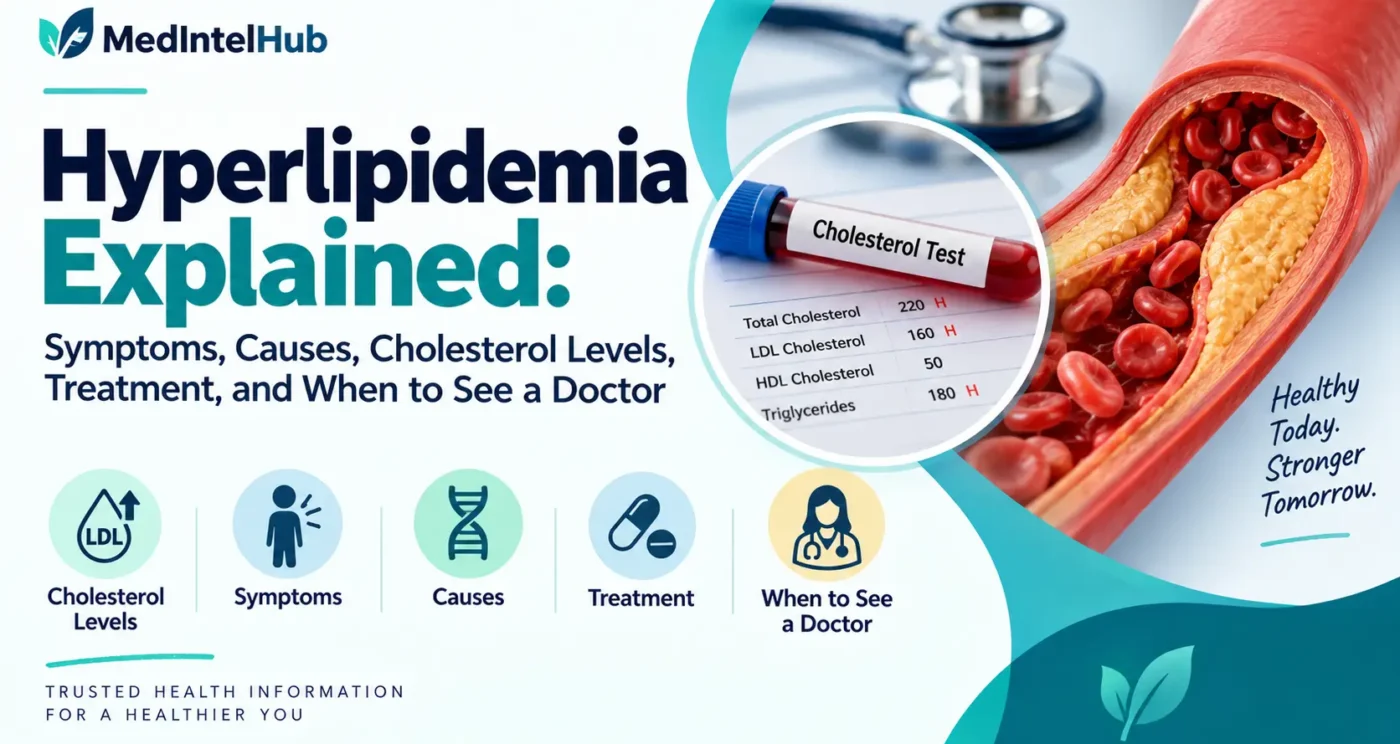
A person can run several miles a week, eat reasonably well, feel completely healthy—and still open a laboratory report to find an LDL cholesterol level that is much higher than expected.
That surprise is common because hyperlipidemia usually does not produce symptoms. Unlike an infection that causes fever or an injury that causes pain, unhealthy cholesterol levels can remain silent for years while contributing gradually to changes inside the arteries. Many people discover the problem only after a routine lipid panel.
Hyperlipidemia generally refers to abnormally high levels of lipids in the blood, most often LDL cholesterol, triglycerides, or both. You may also hear the broader term dyslipidemia, which describes unhealthy levels or patterns of lipids and lipoproteins—including elevated LDL, high triglycerides, low HDL in some contexts, elevated lipoprotein(a), and other abnormalities that may influence cardiovascular risk.
How those numbers are interpreted has become more sophisticated. A cholesterol report is no longer simply divided into “good” and “bad” numbers. Age, blood pressure, diabetes, kidney disease, family history, smoking, existing cardiovascular disease, genetic conditions, lipoprotein(a), and sometimes coronary artery calcium all influence how aggressively cholesterol should be treated.
That approach became even more explicit in 2026, when the American College of Cardiology and American Heart Association issued a new multisociety dyslipidemia guideline replacing the 2018 cholesterol guideline. Among the changes are greater emphasis on lifetime exposure to plaque-forming lipoproteins, use of the newer PREVENT-ASCVD risk equations, renewed LDL and non-HDL treatment goals, once-in-adulthood lipoprotein(a) testing, selective ApoB testing, and a larger role for coronary artery calcium scoring when treatment decisions remain uncertain.
This guide explains what hyperlipidemia means, how to read common cholesterol numbers, why high cholesterol can matter even when you feel well, what causes it, which treatments are available, and when an abnormal lipid result deserves prompt medical attention.
Hyperlipidemia at a Glance
| Question | Key point |
|---|---|
| What is hyperlipidemia? | Abnormally high levels of certain fats or fat-carrying particles in the blood, commonly LDL cholesterol and/or triglycerides. |
| Does it cause symptoms? | Usually not. Most people find out through a blood test. |
| Why does high LDL matter? | Long-term exposure to LDL-containing particles contributes to atherosclerotic plaque and cardiovascular disease. |
| What does a lipid panel measure? | Usually total cholesterol, LDL-C, HDL-C, and triglycerides; non-HDL cholesterol can be calculated from the same results. |
| Is LDL below 100 mg/dL always the goal? | No. The appropriate goal depends on cardiovascular risk. Some high-risk patients have much lower treatment goals. |
| Is HDL always protective? | Higher HDL is often associated with lower risk, but a high HDL value does not cancel out markedly elevated LDL or other risk factors. |
| Can triglycerides become dangerous? | Yes. Very high triglycerides, particularly at or above 1,000 mg/dL, can substantially increase pancreatitis risk. |
| Is medication always required? | No. Treatment depends on the lipid abnormality, cardiovascular risk, medical history, genetics, and response to lifestyle measures. |
| What medication is used most often? | Statins remain the foundation of LDL-lowering drug therapy for many people who need medication. |
| What changed in 2026? | ACC/AHA guidance now uses PREVENT-ASCVD, restores LDL/non-HDL treatment goals, recommends Lp(a) testing at least once in adulthood, and expands use of ApoB and CAC in selected patients. |
| Is high cholesterol itself an emergency? | Usually not. Emergencies arise from complications such as heart attack, stroke, acute limb ischemia, or severe hypertriglyceridemia with pancreatitis. |
What Is Hyperlipidemia?
Lipids are fat-like substances that perform essential jobs in the body.
Cholesterol helps build cell membranes and serves as a starting material for steroid hormones and bile acids. Triglycerides provide and store energy.
The problem is not that these substances exist. The body needs them.
Problems develop when the amount or distribution of certain lipids and the particles carrying them becomes unhealthy.
Because fats do not dissolve freely in water, they travel through the bloodstream packaged inside structures called lipoproteins. LDL, HDL, VLDL, and lipoprotein(a) are examples.
Hyperlipidemia traditionally refers to excessive levels of lipids in the blood. A person might have:
- high LDL cholesterol
- high triglycerides
- elevations in both
- less-common inherited lipid disorders
The term dyslipidemia is broader. It recognizes that cardiovascular risk depends not only on whether one cholesterol number is “high,” but on the overall pattern of atherogenic lipoproteins.
The 2026 ACC/AHA guideline deliberately uses the word dyslipidemia rather than focusing exclusively on cholesterol because LDL particles, triglyceride-rich remnant particles, and lipoprotein(a) all contribute to cardiovascular risk.
What Do LDL, HDL, Triglycerides, and Total Cholesterol Mean?
A standard lipid report usually contains several numbers. They describe different parts of the same transport system.
LDL Cholesterol
LDL-C, or low-density lipoprotein cholesterol, measures the amount of cholesterol carried inside LDL particles.
LDL is often called “bad cholesterol.” The nickname is convenient, but the biology is more useful to understand.
When LDL-containing particles remain elevated in the bloodstream over time, they can enter artery walls. Cholesterol can accumulate there, contributing to inflammation and the development of atherosclerotic plaque.
As plaque grows, arteries may become narrowed. Plaques can also become unstable and rupture, triggering formation of a blood clot.
Depending on where this occurs, the result can be:
- coronary artery disease
- heart attack
- ischemic stroke
- peripheral artery disease
That is why LDL lowering is one of the central tools used to prevent atherosclerotic cardiovascular disease, or ASCVD.
HDL Cholesterol
HDL-C, or high-density lipoprotein cholesterol, is traditionally called “good cholesterol.”
Higher HDL levels have often been associated with lower cardiovascular risk because HDL particles participate in cholesterol transport and other biological processes.
The simple “good cholesterol” label has limits, however.
A high HDL value does not erase the risk associated with severe LDL elevation, smoking, diabetes, hypertension, or existing atherosclerosis. Treatment is also not generally aimed at artificially raising HDL simply to improve the number.
A lipid panel should therefore be interpreted as a whole rather than assuming that one favorable value cancels the others.
Triglycerides
Triglycerides are a different kind of lipid.
After eating, the body can convert excess energy into triglycerides and store them in fat tissue. Triglyceride-rich lipoproteins also circulate in the bloodstream.
High triglycerides may be associated with:
- insulin resistance
- poorly controlled diabetes
- excess body weight
- heavy or regular alcohol intake
- high intake of added sugars or refined carbohydrates
- some medications
- kidney or liver disease
- hypothyroidism
- inherited lipid disorders
Moderate triglyceride elevation can contribute to cardiovascular risk.
At much higher levels, another problem appears: acute pancreatitis.
The 2026 ACC/AHA guideline identifies triglycerides of 500 mg/dL or higher as severe hypertriglyceridemia and notes that pancreatitis risk becomes particularly high when triglycerides reach 1,000 mg/dL or above.
Total Cholesterol
Total cholesterol represents cholesterol carried across several lipoprotein classes.
It can provide a quick overview, but it is less useful by itself than understanding LDL, HDL, non-HDL cholesterol, triglycerides, and the person’s overall cardiovascular risk.
Two people can have the same total cholesterol while having very different LDL and HDL patterns.
Non-HDL Cholesterol
Non-HDL cholesterol is easy to calculate:
Total cholesterol − HDL cholesterol = non-HDL cholesterol
It includes cholesterol carried in LDL and several other potentially atherogenic particles.
For example, if:
- total cholesterol = 220 mg/dL
- HDL = 50 mg/dL
then:
non-HDL cholesterol = 170 mg/dL
The 2026 ACC/AHA guideline has brought non-HDL treatment goals back into greater prominence alongside LDL goals.
What Cholesterol Levels Are Considered High?
Laboratory ranges can help put a result into context, but they should not be confused with individualized treatment targets.
For otherwise healthy adults, commonly used general ranges include:
| Lipid measurement | General interpretation |
|---|---|
| Total cholesterol | Less than 200 mg/dL is generally desirable |
| LDL-C | Less than 100 mg/dL is generally considered optimal |
| LDL-C 100–129 mg/dL | Near optimal/above optimal |
| LDL-C 130–159 mg/dL | Borderline high |
| LDL-C 160–189 mg/dL | High |
| LDL-C ≥190 mg/dL | Very high |
| Non-HDL cholesterol | Less than 130 mg/dL is generally desirable for many adults |
| Triglycerides | Less than 150 mg/dL is generally considered normal |
| HDL-C | Higher values are generally favorable, but HDL is interpreted in context |
These are broad reference categories rather than universal treatment goals.
Why Your LDL Goal May Be Much Lower
A person who has already had a heart attack is not treated to the same target as a healthy 25-year-old with no major risk factors.
Under the 2026 ACC/AHA guideline:
- people at borderline or intermediate primary-prevention risk who are treated may have an LDL-C goal below 100 mg/dL
- people at high primary-prevention risk generally have a lower goal
- many patients with established ASCVD have an LDL-C goal below 70 mg/dL
- people at very high risk after established ASCVD have an LDL-C goal below 55 mg/dL and a non-HDL-C goal below 85 mg/dL
The guideline therefore returns to explicit LDL and non-HDL goals while still considering the percentage reduction from baseline.
An LDL of 90 mg/dL could be reassuring for one person and still above goal for someone else.
Does Hyperlipidemia Cause Symptoms?
Usually not.
Most people with high LDL cholesterol have no headache, dizziness, chest sensation, fatigue, or other clue that tells them what their cholesterol level is.
NHLBI notes that most people discover high blood cholesterol during routine blood testing.
This makes cholesterol different from blood sugar in severe diabetes, which may sometimes produce thirst or frequent urination, or severe hypertension, which occasionally produces symptoms in extreme situations.
Can High Cholesterol Cause Headaches?
Not typically.
A headache is not a reliable indicator of LDL cholesterol.
Someone with frequent or severe headaches needs evaluation based on the characteristics of the headache rather than assuming cholesterol is responsible.
Can High Cholesterol Cause Dizziness?
High LDL itself does not normally produce dizziness.
Dizziness has many possible causes, including dehydration, inner-ear disorders, blood pressure changes, medications, anemia, abnormal heart rhythms, and neurological conditions.
Can High Cholesterol Cause Chest Pain?
High cholesterol circulating in the blood does not usually cause a person to feel chest pain directly.
However, years of elevated LDL can contribute to coronary atherosclerosis. If coronary arteries become narrowed or a plaque ruptures, heart-related chest discomfort can occur.
So chest pain may be a symptom of a complication associated with atherosclerosis, not a symptom that reveals the cholesterol number itself.
New chest pressure, squeezing, or discomfort—particularly with shortness of breath, sweating, nausea, or pain spreading to the arm, jaw, shoulder, or back—requires urgent evaluation.
Can Very High Cholesterol Cause Visible Signs?
Occasionally.
Severe inherited cholesterol disorders can produce physical findings such as:
- tendon xanthomas: cholesterol-rich deposits involving tendons, often including the Achilles tendon
- xanthelasma: yellowish cholesterol deposits around the eyelids
- corneal arcus: a pale or grayish ring around the cornea, particularly concerning when it occurs unusually early in life
These findings do not occur in most people with ordinary hyperlipidemia.
Their presence—especially together with markedly elevated LDL or a family history of premature heart attacks—may raise suspicion for an inherited disorder such as familial hypercholesterolemia.
Why Is High LDL Harmful if You Feel Healthy?
Atherosclerosis develops gradually.
Imagine the difference between a sudden plumbing blockage and mineral buildup forming inside a pipe over many years. High LDL does not usually announce itself from day to day. Instead, cumulative exposure matters.
LDL-containing particles can enter artery walls. Biological changes then promote retention of cholesterol, inflammation, and plaque formation.
Over years or decades, plaques may enlarge.
A plaque can eventually:
- restrict blood flow
- rupture
- trigger clot formation
- block an artery suddenly
The 2026 dyslipidemia guideline emphasizes earlier reduction of lifetime exposure to atherogenic lipoproteins rather than waiting until cardiovascular risk becomes high later in life.
This is particularly relevant to people with genetic high cholesterol. An LDL of 190 mg/dL beginning in early adulthood represents a very different lifetime exposure from the same level appearing briefly much later in life.
What Causes Hyperlipidemia?
There is rarely one explanation that fits everyone.
Genetics, diet, metabolism, medical conditions, medications, age, and lifestyle can interact.
Genetics
Some people inherit a strong tendency to have high cholesterol even when their lifestyle is generally healthy.
Genetic conditions can affect:
- LDL receptors
- cholesterol metabolism
- triglyceride metabolism
- lipoprotein(a)
- clearance of atherogenic particles
This is why someone who is thin, physically active, and eats carefully can still have severe hypercholesterolemia.
Diet
Diet can substantially influence cholesterol, but the relationship is more complicated than “eating cholesterol causes high cholesterol.”
Saturated fat is particularly important because higher intake can raise LDL cholesterol.
Common sources include:
- fatty meats
- processed meats
- butter
- full-fat dairy foods
- coconut and palm oils
- many heavily processed foods
Replacing saturated fats with unsaturated fats from foods such as nuts, seeds, fish, avocado, and plant oils can improve the overall lipid pattern.
Excess Weight and Insulin Resistance
Excess body fat—particularly when associated with insulin resistance—can contribute to:
- higher triglycerides
- higher VLDL production
- lower HDL
- altered LDL particle patterns
Not everyone with hyperlipidemia is overweight, and body size should never be used as a substitute for laboratory testing.
Diabetes
Poorly controlled diabetes can cause major triglyceride elevations and other lipid abnormalities.
Diabetes also increases cardiovascular risk even when cholesterol values do not look dramatically abnormal.
The 2026 ACC/AHA guideline recommends LDL-lowering therapy for primary prevention in many adults ages 40–75 with diabetes regardless of the starting LDL level, with the intensity tailored to risk.
Hypothyroidism
An underactive thyroid can raise LDL cholesterol and sometimes triglycerides.
When cholesterol rises unexpectedly, especially alongside symptoms such as fatigue, constipation, dry skin, or cold intolerance, clinicians may consider thyroid testing.
Treating the underlying thyroid disorder can improve the lipid profile in affected patients.
Kidney Disease
Chronic kidney disease and certain kidney disorders can alter lipid metabolism.
Kidney disease also independently increases cardiovascular risk, which may affect treatment decisions even when LDL is only moderately elevated.
Liver Disease
Because the liver has a central role in producing and clearing lipoproteins, some liver disorders alter lipid values.
The pattern depends on the underlying condition.
Alcohol
Alcohol can substantially raise triglycerides in susceptible people.
This becomes particularly important when triglycerides are already high. The 2026 guideline recommends minimizing alcohol with moderate hypertriglyceridemia and eliminating it in severe hypertriglyceridemia.
Medications
Some prescription medicines can contribute to lipid abnormalities.
Examples vary by drug and may include certain:
- hormonal medications
- corticosteroids
- immune-suppressing drugs
- psychiatric medications
- HIV therapies
- blood-pressure medications
- cancer therapies
Do not stop a prescribed drug because it appears on a list of possible causes.
If medication-related hyperlipidemia is suspected, the prescribing clinician can determine whether the medication is actually contributing and whether an alternative is appropriate.
What Is Familial Hypercholesterolemia?
Familial hypercholesterolemia, or FH, is an inherited disorder that causes very high LDL cholesterol beginning early in life.
This matters because cardiovascular risk is influenced not only by how high LDL becomes but also by how long the arteries are exposed to it.
An adult LDL-C level of 190 mg/dL or higher is an important clue, particularly when accompanied by:
- a parent, sibling, or child with very high LDL
- heart attack or coronary disease at an unusually young age in close relatives
- tendon xanthomas
- early corneal arcus
- known familial hypercholesterolemia in the family
CDC identifies LDL above 190 mg/dL in adults as a major sign that FH should be considered.
Healthy eating and exercise remain valuable for people with FH, but lifestyle measures alone are often not enough to reduce LDL adequately. Medication is frequently required.
Because FH is inherited, identifying one affected person may also lead to testing of parents, siblings, and children.
How Is Hyperlipidemia Diagnosed?
The diagnosis begins with a blood test.
A standard lipid panel usually measures:
- total cholesterol
- HDL-C
- triglycerides
LDL-C may be calculated from those measurements or measured more directly.
Non-HDL cholesterol can be calculated by subtracting HDL from total cholesterol.
The clinician may also review:
- family history
- blood pressure
- diabetes status
- smoking or tobacco use
- medications
- diet and alcohol intake
- kidney and thyroid function
- previous heart disease or stroke
- other risk-enhancing medical conditions
In selected patients, additional measurements such as Lp(a), ApoB, or coronary artery calcium can refine the picture.
Do You Have to Fast Before a Cholesterol Test?
Not always.
Both fasting and nonfasting lipid testing are used in modern practice.
A nonfasting lipid panel is often adequate for routine cardiovascular-risk assessment. A fasting sample may be requested when:
- triglycerides are substantially elevated
- a previous result needs clarification
- the clinician needs a more precise assessment of triglyceride metabolism
- a particular laboratory calculation requires it
- severe hypertriglyceridemia is suspected
NHLBI notes that fasting may be requested before a lipid panel, but modern screening can also use nonfasting samples in appropriate settings.
Follow the instructions given for your specific laboratory order rather than assuming every cholesterol test requires fasting.
What Is Lipoprotein(a)?
One of the biggest 2026 changes involves lipoprotein(a), or Lp(a).
Lp(a) is a cholesterol-carrying particle that resembles LDL but contains an additional protein called apolipoprotein(a).
High Lp(a) is associated with increased risk of atherosclerotic cardiovascular disease.
Unlike ordinary LDL, Lp(a) levels are largely determined by genetics and tend to remain relatively stable throughout life.
The 2026 ACC/AHA guideline recommends that Lp(a) be measured at least once in adulthood.
A level of 125 nmol/L or 50 mg/dL or higher is considered a cardiovascular risk-enhancing factor under the guideline.
Can Diet Lower Lp(a)?
Usually not by much.
Lifestyle remains essential for managing overall cardiovascular health, but Lp(a) is strongly genetically determined.
Someone with high Lp(a) should not conclude that they have failed to eat properly or exercise enough.
Instead, clinicians may respond by managing other modifiable risks—especially LDL cholesterol, smoking, hypertension, and diabetes—more intensively.
What Is ApoB?
Apolipoprotein B, or ApoB, is a structural protein found on atherogenic lipoprotein particles.
Each major atherogenic particle typically contains one ApoB molecule, so an ApoB blood test can provide information about the number of plaque-forming particles in circulation.
That can be useful when the amount of cholesterol carried inside those particles does not tell the whole story.
For example, two people can have the same LDL-C but different numbers of LDL and remnant particles.
The 2026 ACC/AHA guideline supports selective ApoB testing, particularly in people with:
- elevated triglycerides
- diabetes
- cardiovascular-kidney-metabolic conditions
- known cardiovascular disease
- unexpectedly high residual risk despite apparently controlled LDL/non-HDL levels
It is not necessary for every routine cholesterol test.
How Do Doctors Decide Whether You Need Cholesterol Medication?
There is no single LDL number that answers this question for every patient.
Clinicians consider both the lipid level and the likelihood that the person will experience cardiovascular disease.
Important factors include:
- age
- LDL and non-HDL cholesterol
- triglycerides
- blood pressure
- diabetes
- kidney disease
- smoking
- family history
- previous heart attack or stroke
- peripheral artery disease
- genetic lipid disorders
- Lp(a)
- ApoB in selected cases
- coronary calcium
- other risk-enhancing conditions
The 2026 PREVENT-ASCVD Risk Calculator
The 2026 guideline replaced the older Pooled Cohort Equations with the PREVENT-ASCVD equations for many adults undergoing primary-prevention risk assessment.
PREVENT-ASCVD is used in adults ages 30–79 without established ASCVD or known subclinical atherosclerosis and with LDL-C between 70 and 189 mg/dL.
The guideline divides estimated 10-year risk into:
| PREVENT-ASCVD 10-year risk | Category |
|---|---|
| Less than 3% | Low |
| 3% to less than 5% | Borderline |
| 5% to less than 10% | Intermediate |
| 10% or higher | High |
LDL-lowering medication can be considered at borderline risk and should be considered at intermediate risk after a clinician–patient discussion, while high-risk patients generally have stronger indications for treatment.
These percentages are decision tools, not diagnoses.
What Is a Coronary Artery Calcium Score?
A coronary artery calcium, or CAC, scan is a noncontrast CT scan that looks for calcified atherosclerotic plaque in coronary arteries.
A score of zero means no calcified plaque was detected at that time, although it does not prove that absolutely no noncalcified plaque exists.
Increasing CAC indicates a greater burden of coronary atherosclerosis.
The 2026 guideline supports selective CAC testing when the decision about lipid-lowering treatment remains uncertain, particularly in:
- men age 40 or older
- women age 45 or older
- people with borderline or intermediate estimated cardiovascular risk
Any detectable CAC can influence the treatment discussion, with greater calcium burden generally supporting more aggressive LDL lowering.
CAC is not a test that everyone with an abnormal cholesterol result needs.
How Is Hyperlipidemia Treated?
Treatment has two broad parts:
- Reducing cardiovascular risk through lifestyle
- Using lipid-lowering medication when the expected benefit justifies it
For some people, lifestyle changes are enough.
For others—particularly people with severe LDL elevation, familial hypercholesterolemia, diabetes, established cardiovascular disease, or high calculated risk—medication can provide substantial additional protection.
Diet for High Cholesterol
There is no requirement to live on bland salads to improve cholesterol.
The goal is a sustainable eating pattern that favors foods associated with better cardiovascular health.
Useful staples include:
- vegetables
- fruits
- beans and lentils
- whole grains
- nuts
- seeds
- fish
- lean protein sources
- foods rich in soluble fiber
- unsaturated plant oils
A particularly effective strategy is replacement.
Instead of simply removing fat, replace foods rich in saturated fat with sources of unsaturated fat.
For example:
- replace butter with an unsaturated plant oil
- choose nuts instead of heavily processed snacks
- use beans or fish for some meals that would otherwise center on high-fat processed meat
Current AHA guidance emphasizes vegetables, fruits, whole grains, beans, nuts, seeds, lean proteins, fiber, and unsaturated fats while limiting heavily processed foods high in saturated fat and added sugar.
Soluble Fiber
Soluble fiber can help lower LDL cholesterol by reducing cholesterol absorption and influencing bile-acid metabolism.
Sources include:
- oats
- barley
- beans
- lentils
- apples
- citrus fruits
- psyllium
- certain other fruits and vegetables
Rather than viewing one “cholesterol-lowering food” as a treatment, think of fiber as part of the overall dietary pattern.
Exercise and Hyperlipidemia
Regular physical activity can improve several cardiovascular risk factors at once.
It may:
- lower triglycerides
- modestly improve LDL
- increase HDL in some people
- improve insulin sensitivity
- help manage blood pressure
- support weight management
- improve cardiovascular fitness
AHA commonly recommends working toward about 150 minutes of moderate-intensity aerobic activity per week for adults, adjusted for health status and ability.
Exercise can make a meaningful difference, but it cannot be expected to normalize every lipid disorder.
Someone with familial hypercholesterolemia can train regularly and still have an LDL level requiring medication.
Weight Management When Relevant
If excess body weight is contributing to insulin resistance, elevated triglycerides, diabetes, or other metabolic risk factors, gradual weight loss can improve the lipid profile.
The goal should be sustainable metabolic and cardiovascular improvement rather than chasing a particular appearance.
People who are already at a healthy weight can still have hyperlipidemia and should not assume that weight loss is the answer to a genetic LDL disorder.
Smoking, Vaping, and Cholesterol Risk
Smoking is not simply another cholesterol number.
It damages blood vessels, promotes thrombosis, and substantially increases cardiovascular risk.
Smoking can also lower HDL.
The combination of smoking and elevated LDL is more concerning than either factor viewed in isolation.
Avoiding tobacco and nicotine exposure is therefore an important part of cardiovascular prevention regardless of whether it produces a dramatic change in LDL.
Medicines Used to Treat Hyperlipidemia
Lifestyle remains foundational, but modern lipid treatment includes several medication classes.
Which drug is appropriate depends on:
- how much LDL reduction is needed
- whether cardiovascular disease is already present
- medication tolerance
- triglyceride level
- genetic disorders
- kidney and liver function
- pregnancy considerations
- drug interactions
- cost and access
Statins
Statins remain the foundation of pharmacologic LDL-lowering therapy for many patients.
They reduce cholesterol production in the liver and increase clearance of LDL from the bloodstream.
Examples include:
- atorvastatin
- rosuvastatin
- simvastatin
- pravastatin
- pitavastatin
- lovastatin
- fluvastatin
Decades of cardiovascular-outcomes research show that statins reduce the risk of heart attack, stroke, and other major cardiovascular events in appropriately selected patients.
The 2026 ACC/AHA guideline continues to place statins at the center of both primary and secondary prevention.
What About Statin Side Effects?
Muscle aches are the side effect patients discuss most often.
Some people experience symptoms that appear related to statin therapy, but severe muscle injury is rare. The 2026 guideline recommends evaluating other possible causes of muscle pain or weakness rather than automatically assuming every symptom is due to the statin.
Rare but important problems can include:
- marked muscle injury
- severe liver problems
- very uncommon immune-mediated muscle disease
Statins can also slightly increase diabetes risk in susceptible patients, but current guidelines do not recommend avoiding an otherwise beneficial statin solely for that reason.
Ezetimibe
Ezetimibe reduces cholesterol absorption in the intestine.
It is often used:
- with a statin when additional LDL reduction is needed
- when a person cannot tolerate the recommended statin intensity
- as part of combination treatment in high-risk patients
It generally produces less LDL lowering than a potent statin or PCSK9 inhibitor but is convenient and usually well tolerated.
PCSK9 Monoclonal Antibodies
The two established PCSK9 monoclonal antibodies are:
- evolocumab
- alirocumab
These injectable medications can produce large LDL reductions and have cardiovascular-outcomes evidence.
They may be considered when substantial additional LDL lowering is needed, including in selected people with:
- established cardiovascular disease
- familial hypercholesterolemia
- severe hypercholesterolemia
- inability to reach treatment goals with other therapies
Current 2026 guidance gives clinicians more flexibility in choosing nonstatin therapies based on how much LDL reduction is required rather than always forcing every patient through exactly the same sequence.
Bempedoic Acid
Bempedoic acid is an oral cholesterol-lowering medication that acts earlier in the cholesterol-synthesis pathway than statins.
It can be useful when:
- additional LDL lowering is needed
- statin-associated symptoms limit therapy
- a nonstatin with cardiovascular-outcomes evidence is appropriate
Clinical trials have demonstrated cardiovascular benefit in statin-intolerant or statin-limited populations.
Possible adverse effects include increased uric acid, so gout risk may need consideration.
Inclisiran
Inclisiran uses small-interfering RNA technology to reduce production of PCSK9.
One attractive feature is its infrequent dosing after the initial treatment schedule.
It lowers LDL substantially.
However, an important evidence distinction remains in 2026: cardiovascular-outcomes trials for inclisiran are still ongoing.
For that reason, it should not be described as having the same completed outcomes evidence as PCSK9 monoclonal antibodies.
Medicines for High Triglycerides
Treatment of elevated triglycerides depends on the level and the goal.
When ASCVD prevention is the main concern, statins remain foundational for many patients.
With severe hypertriglyceridemia, treatment may also include:
- fibrates such as fenofibrate
- prescription omega-3 fatty acids
- other specialized therapies for rare genetic conditions
At triglycerides of 1,000 mg/dL or higher, lowering triglycerides to reduce pancreatitis risk becomes an immediate treatment priority.
Over-the-counter fish-oil supplements should not be treated as interchangeable with prescription omega-3 therapies studied for specific indications.
What If You Cannot Tolerate a Statin?
A difficult experience with one statin does not necessarily mean that every statin and every cholesterol-lowering strategy is off the table.
Clinicians may evaluate:
- whether symptoms fit a statin-related pattern
- thyroid disease
- strenuous exercise
- vitamin or metabolic problems
- medication interactions
- other muscle disorders
Depending on the situation, options can include:
- a lower dose
- a different statin
- less-frequent dosing of a long-acting statin
- adding ezetimibe
- bempedoic acid
- a PCSK9 inhibitor
- selected use of inclisiran
The 2026 guideline emphasizes finding a tolerable regimen rather than simply abandoning cardiovascular-risk reduction after the first adverse symptom.
Do not abruptly stop a prescribed statin solely on the basis of information in an article. New severe muscle weakness, dark urine, marked pain, jaundice, or other significant symptoms should be discussed promptly with a healthcare professional.
Do Cholesterol Supplements Work?
Dietary supplements are heavily marketed for cholesterol control, but “natural” does not automatically mean effective, standardized, or safer than prescription treatment.
Products promoted for cholesterol include:
- red yeast rice
- plant extracts
- omega-3 supplements
- niacin products
- various vitamin combinations
Red yeast rice can contain compounds chemically related to statins, but the amount can vary among products, and drug-like side effects and interactions are still possible.
Over-the-counter fish-oil supplements also differ substantially from prescription omega-3 products in formulation, purity, and evidence.
Supplements should not be used as an assumed substitute for therapies proven to reduce cardiovascular events when those therapies are medically indicated.
High LDL vs High Triglycerides
Both are lipid disorders, but they create somewhat different concerns.
| Feature | High LDL cholesterol | High triglycerides |
|---|---|---|
| Main long-term concern | Atherosclerotic cardiovascular disease | Cardiovascular risk; pancreatitis when very high |
| Common influences | Genetics, saturated fat, thyroid disease, kidney disease, age | Insulin resistance, diabetes, alcohol, refined carbohydrates, obesity, genetics |
| Symptoms | Usually none | Usually none |
| Severe threshold of special concern | LDL ≥190 mg/dL suggests severe hypercholesterolemia and possible genetic disease | TG ≥500 mg/dL increases pancreatitis concern; ≥1,000 mg/dL is particularly high risk |
| Main drug focus | Statins and other LDL-lowering therapies | Statins for ASCVD risk; TG-specific therapy in selected severe cases |
| Diet emphasis | Reduce saturated fat and improve overall dietary pattern | Reduce refined carbohydrates/added sugars; minimize or eliminate alcohol depending on severity |
Can Hyperlipidemia Be Reversed?
Sometimes lipid levels can improve dramatically.
A person whose triglycerides rose because of poorly controlled diabetes, excess alcohol, or a medication may see a substantial improvement when the underlying cause is corrected.
LDL may fall with:
- dietary changes
- weight management where relevant
- regular physical activity
- treatment of hypothyroidism
- medications
But the word “reversed” can be misleading.
If someone with familial hypercholesterolemia reaches a normal LDL on medication, the inherited condition has not disappeared. The treatment is controlling it.
Likewise, stopping effective treatment may allow the lipid level to rise again.
How Often Should Cholesterol Be Checked?
There is no single interval for everyone.
Testing frequency depends on:
- age
- previous lipid results
- family history
- cardiovascular risk
- diabetes
- kidney disease
- familial hypercholesterolemia
- whether treatment has started or changed
Many healthy younger adults are screened periodically rather than every year.
Someone starting a statin or having medication adjusted generally needs follow-up sooner to determine whether the expected reduction occurred and whether treatment is tolerated.
NHLBI emphasizes that screening frequency should be individualized according to age, risk factors, and family history.
High cholesterol is also frequently discovered through preventive testing. MedIntelHub explains how preventive laboratory work fits into routine care in Understanding Your Annual Physical: What Actually Gets Checked.
Hyperlipidemia in Younger Adults
Historically, much cholesterol discussion focused on middle-aged and older adults.
The 2026 guideline places greater emphasis on the fact that atherosclerotic exposure accumulates over a lifetime.
In young adulthood, earlier consideration of drug therapy may be appropriate when:
- LDL-C is 160 mg/dL or higher
- there is a strong family history of premature ASCVD
- familial hypercholesterolemia is present
- other major risk enhancers exist
This does not mean that every young person with LDL 160 automatically requires medication.
It means the number should not be dismissed simply because the person’s short-term 10-year heart-attack risk is low.
Hyperlipidemia and Diabetes
Diabetes substantially affects cardiovascular-risk assessment.
People with diabetes often have a lipid pattern involving:
- elevated triglycerides
- increased remnant particles
- relatively low HDL
- LDL particles that may be particularly atherogenic
The 2026 guideline recommends LDL-lowering therapy for primary prevention in adults ages 40–75 with diabetes, as well as certain other high-risk medical conditions, even when the starting LDL level is not extremely high.
The exact medication intensity still depends on cardiovascular risk and individual circumstances.
Hyperlipidemia During Pregnancy
Pregnancy naturally changes lipid metabolism.
Total cholesterol, LDL, and triglycerides normally rise as pregnancy progresses, so a lipid panel obtained during pregnancy cannot always be interpreted the same way as one obtained outside pregnancy.
Medication decisions also require special care.
Are Statins Always Forbidden During Pregnancy?
The current answer is more nuanced than older advice suggested.
For people with hypercholesterolemia who are not at high cardiovascular risk, the 2026 ACC/AHA guideline recommends stopping statin therapy 1–2 months before attempting pregnancy or as soon as pregnancy is discovered.
However, the guideline also states that continuing a statin may be reasonable in selected pregnant patients with familial hypercholesterolemia or established ASCVD after an individualized discussion of maternal benefit and potential fetal risk.
Most pregnant patients taking statins will therefore still stop them, but pregnancy is no longer treated as an absolute prohibition in every conceivable high-risk situation.
FDA similarly removed its strongest pregnancy contraindication in 2021 while continuing to advise that most pregnant patients discontinue statins.
Someone who becomes pregnant while taking a cholesterol medication should contact the prescribing clinician rather than abruptly making a long-term treatment decision alone.
When Should You See a Doctor About Hyperlipidemia?
Because hyperlipidemia is usually silent, the reason to seek care is often the test result, not a symptom.
Arrange follow-up if:
- your LDL is significantly elevated
- LDL-C is 190 mg/dL or higher
- triglycerides are 500 mg/dL or higher
- cholesterol has risen unexpectedly
- you have a strong family history of premature heart disease
- a relative has familial hypercholesterolemia
- you have tendon xanthomas or other signs suggesting an inherited disorder
- you have diabetes, kidney disease, or known cardiovascular disease
- you develop side effects while taking cholesterol medication
- you are planning pregnancy while taking lipid-lowering therapy
- you are unsure whether your calculated cardiovascular risk justifies medication
- you have never had Lp(a) tested and want to discuss the 2026 once-in-adulthood recommendation
An abnormal lipid panel usually deserves a thoughtful follow-up discussion rather than panic.
When Is High Cholesterol an Emergency?
An isolated high LDL result is usually not an emergency, even when the number is significantly elevated.
For example, an LDL of 200 mg/dL deserves medical evaluation and treatment planning, but it does not by itself mean a heart attack is about to happen that afternoon.
The emergencies associated with hyperlipidemia are its complications.
Possible Heart Attack Symptoms
Call emergency medical services for symptoms such as:
- new pressure, tightness, squeezing, or pain in the chest
- discomfort spreading to an arm, shoulder, jaw, neck, or back
- shortness of breath
- cold sweating
- unexplained nausea
- sudden severe weakness or lightheadedness
Possible Stroke Symptoms
Seek emergency care for sudden:
- facial drooping
- weakness or numbness on one side
- difficulty speaking
- confusion
- loss of vision
- severe problems with balance or coordination
- an unusual severe neurological deficit
Severe Triglycerides and Pancreatitis
Very high triglycerides can cause acute pancreatitis.
Seek urgent medical evaluation for severe or persistent upper abdominal pain—especially if it radiates toward the back or is accompanied by repeated vomiting—when triglycerides are known to be extremely high.
The 2026 ACC/AHA guideline notes that pancreatitis risk rises with severe hypertriglyceridemia and is particularly high at triglyceride levels of 1,000 mg/dL or above.
Frequently Asked Questions About Hyperlipidemia
What Is Hyperlipidemia?
Hyperlipidemia means that certain fats or fat-carrying particles in the blood are present at abnormally high levels.
It most commonly refers to elevated LDL cholesterol, triglycerides, or both.
The broader term dyslipidemia also includes other unhealthy lipid patterns and elevated lipoproteins such as Lp(a).
Is Hyperlipidemia the Same as High Cholesterol?
Often, but not exactly.
“High cholesterol” usually refers particularly to elevated cholesterol measurements such as LDL-C.
Hyperlipidemia can also include high triglycerides.
Dyslipidemia is broader still and can describe several abnormal lipid or lipoprotein patterns.
What Does High Cholesterol Feel Like?
Usually, nothing.
Most people cannot feel whether their LDL is 90, 150, or 220 mg/dL.
A blood test is required to know the level.
Can You Have High Cholesterol and Be Healthy?
Yes, in the sense that you may feel well and have no current cardiovascular symptoms.
But persistent high LDL can still increase future cardiovascular risk.
A healthy lifestyle lowers risk, but it does not make a major genetic cholesterol abnormality irrelevant.
What LDL Level Is Considered High?
Traditional adult categories describe:
- below 100 mg/dL as optimal
- 130–159 mg/dL as borderline high
- 160–189 mg/dL as high
- 190 mg/dL or above as very high
Treatment goals can be substantially lower in people at high cardiovascular risk.
Is an LDL of 190 Dangerous?
An LDL-C level of 190 mg/dL or higher is considered severe hypercholesterolemia and warrants medical evaluation.
It also raises concern for familial hypercholesterolemia, particularly when there is a family history of very high cholesterol or premature cardiovascular disease.
It is usually not an emergency in the sense of requiring an ambulance solely because of the laboratory number, but it should not be ignored.
What Is Non-HDL Cholesterol?
Non-HDL cholesterol is:
total cholesterol minus HDL cholesterol.
It represents cholesterol carried in multiple atherogenic particles, including LDL and triglyceride-rich remnants.
The 2026 ACC/AHA guideline uses both LDL-C and non-HDL-C treatment goals.
What Is ApoB?
ApoB is a protein present on atherogenic lipoprotein particles.
Because each major atherogenic particle carries an ApoB molecule, measuring ApoB helps estimate how many plaque-forming particles are circulating.
It can be particularly useful when triglycerides are elevated, diabetes is present, or standard LDL values may underestimate residual particle-related risk.
What Is Lipoprotein(a)?
Lp(a) is an LDL-like particle largely determined by genetics.
High Lp(a) increases cardiovascular risk and is not substantially reduced through ordinary lifestyle changes.
The 2026 guideline recommends measuring it at least once during adulthood.
Should Everyone Have Lp(a) Tested?
Current 2026 ACC/AHA guidance recommends at least one adult measurement to identify people whose inherited Lp(a) elevation increases cardiovascular risk.
Repeated testing is usually unnecessary because Lp(a) is genetically determined and relatively stable, although individual clinical situations differ.
Do I Need to Fast Before a Cholesterol Test?
Not always.
Many routine lipid evaluations can use a nonfasting sample.
Fasting may be requested when triglycerides are high or when a clinician needs additional clarification.
Follow the instructions provided with your laboratory order.
Can High Cholesterol Cause Headaches?
Not typically.
Headache is not a reliable symptom of high LDL cholesterol.
Persistent, severe, sudden, or neurologically associated headaches should be evaluated according to their own characteristics.
Can High Cholesterol Cause Dizziness?
Usually not directly.
Dizziness has numerous other potential causes and should not automatically be attributed to cholesterol.
Does High Cholesterol Cause Chest Pain?
High cholesterol itself usually does not.
Long-term high LDL can contribute to coronary artery disease, which can cause angina or a heart attack.
New or concerning chest pain needs medical assessment regardless of the most recent cholesterol number.
What Foods Raise LDL Cholesterol?
Foods high in saturated fat can raise LDL, particularly when eaten regularly as a major part of the diet.
Common sources include fatty meats, butter, full-fat dairy products, and tropical oils such as coconut and palm oil.
Replacing saturated fats with unsaturated fats generally produces a more favorable cardiovascular effect.
Can Exercise Lower Cholesterol?
Yes, physical activity can improve the lipid profile and reduce cardiovascular risk.
It may lower triglycerides and LDL modestly and improve HDL in some people.
Exercise should not be expected to normalize severe genetic hypercholesterolemia on its own.
Can High Cholesterol Go Away Without Medication?
Sometimes.
Mild or metabolically driven abnormalities may improve substantially with dietary changes, exercise, weight management, improved diabetes control, reduced alcohol intake, or treatment of an underlying condition.
Severe genetic LDL elevation frequently requires medication in addition to lifestyle measures.
When Do You Need a Statin?
The decision depends on more than one cholesterol value.
Statins are strongly indicated in many people with established ASCVD, severe LDL elevation, diabetes, high PREVENT-ASCVD risk, familial hypercholesterolemia, or other high-risk conditions.
The exact recommendation should come from an individualized cardiovascular-risk discussion.
Are Statins Safe?
For most appropriately selected patients, statins are well studied and generally well tolerated.
Muscle symptoms can occur, but severe muscle injury and serious liver toxicity are rare.
The cardiovascular benefit can be substantial in people at sufficient risk.
What Happens if I Cannot Tolerate a Statin?
Tell the prescribing clinician rather than giving up on lipid treatment.
A different statin, lower dose, altered schedule, or nonstatin treatment such as ezetimibe, bempedoic acid, or a PCSK9 inhibitor may be appropriate depending on your risk.
What Is the Best Medication for High Cholesterol?
There is no single best drug for everyone.
Statins remain first-line treatment for many patients because of their strong cardiovascular-outcomes evidence.
Other medicines are chosen according to how much additional LDL lowering is needed, cardiovascular risk, statin tolerance, genetics, other illnesses, and patient preferences.
Do Cholesterol Supplements Work?
Some supplements can change lipid values, but they do not have the same quality of evidence, product consistency, or cardiovascular-outcomes data as established prescription therapies.
Do not replace indicated cardiovascular medication with a supplement without discussing the change with a healthcare professional.
Can High Triglycerides Cause Pancreatitis?
Yes.
Risk increases significantly with severe hypertriglyceridemia and becomes particularly concerning at 1,000 mg/dL or higher.
Severe abdominal pain and vomiting in someone with extremely high triglycerides require urgent medical evaluation.
How Often Should Cholesterol Be Checked?
It depends.
Healthy adults with previously normal results may be screened at relatively long intervals, while people taking cholesterol medication, those with abnormal results, and higher-risk patients need more frequent monitoring.
Your clinician can recommend an interval based on age, risk, and treatment.
Can High HDL Cancel Out High LDL?
No.
A favorable HDL value does not make severe LDL elevation harmless.
Cardiovascular risk reflects the overall lipid pattern and many additional factors.
When Should I Worry About High Cholesterol?
High cholesterol deserves particular attention when:
- LDL is 190 mg/dL or higher
- triglycerides are 500 mg/dL or higher
- there is premature heart disease in the family
- familial hypercholesterolemia is suspected
- diabetes, kidney disease, or cardiovascular disease is present
- levels remain high despite treatment
- medication side effects prevent adequate therapy
The number matters, but the person’s overall cardiovascular risk and lifetime exposure matter just as much.
Conclusion
Hyperlipidemia is unusual because it can matter greatly without making a person feel sick.
You cannot reliably sense an elevated LDL level, and an abnormal cholesterol result does not necessarily produce any immediate discomfort. The damage clinicians are trying to prevent develops quietly: years of exposure to atherogenic particles can promote plaque formation until cardiovascular disease eventually becomes visible as angina, a heart attack, stroke, or poor circulation.
That is why modern cholesterol care has moved beyond simply asking whether total cholesterol is “high.”
The 2026 ACC/AHA guideline looks at LDL and non-HDL goals, lifetime risk, PREVENT-ASCVD estimates, family history, diabetes, kidney disease, Lp(a), ApoB when useful, and coronary calcium in selected patients. Treatment can range from lifestyle changes alone to combinations of statins and newer nonstatin therapies.
An LDL of 160 mg/dL in a healthy young adult, LDL of 90 mg/dL after a previous heart attack, and triglycerides of 1,200 mg/dL are three very different clinical situations—even though all involve lipids.
The most useful question is therefore not simply “Is my cholesterol high?”
It is:
“What do these numbers mean for my cardiovascular risk, and what level should I be aiming for?”
Resources
American Heart Association / American College of Cardiology — 2026 Guideline on the Management of Dyslipidemia
The current U.S. multisociety guideline covering risk assessment, LDL and non-HDL treatment goals, Lp(a), ApoB, CAC scoring, hypertriglyceridemia, medication therapy, pregnancy, and special populations.
2026 ACC/AHA Dyslipidemia Guideline
Journal of the American College of Cardiology — Full 2026 Dyslipidemia Guideline
Detailed clinical recommendations and evidence supporting modern lipid management.
Read the Full 2026 Dyslipidemia Guideline
American Heart Association — Prevention and Treatment of High Cholesterol
Patient-focused information on diet, physical activity, smoking, weight management, and cholesterol treatment.
AHA: Prevention and Treatment of High Cholesterol
National Heart, Lung, and Blood Institute — Blood Cholesterol
NIH information covering cholesterol causes, symptoms, testing, diagnosis, and management.
NHLBI: Blood Cholesterol Diagnosis
MedlinePlus — Cholesterol Levels: What You Need to Know
Patient-friendly reference ranges and explanations of LDL, HDL, non-HDL cholesterol, triglycerides, and lipid testing.
MedlinePlus: Cholesterol Levels
Centers for Disease Control and Prevention — Familial Hypercholesterolemia
Information about inherited high LDL, family-history clues, and the importance of early diagnosis and treatment.
CDC: Familial Hypercholesterolemia
U.S. Food and Drug Administration — Statins and Pregnancy
FDA guidance explaining the removal of the absolute pregnancy contraindication while advising that most pregnant patients discontinue statin treatment.
FDA: Statins and Pregnancy
MedIntelHub Editorial Policy
Learn how MedIntelHub approaches medical research, sourcing, and patient-health information.
Read the MedIntelHub Editorial Policy
Editorial Disclaimer
This article is intended for general educational and informational purposes. It does not diagnose hyperlipidemia, familial hypercholesterolemia, cardiovascular disease, pancreatitis, or any other medical condition and does not replace individualized medical care.
Cholesterol and triglyceride results must be interpreted in the context of age, medical history, family history, cardiovascular risk, medications, pregnancy status, kidney and liver function, and other clinical factors. Treatment targets are not identical for every patient.
Do not start, stop, or change a statin, fibrate, prescription omega-3 product, ezetimibe, PCSK9 inhibitor, bempedoic acid, inclisiran, or other prescribed medication solely on the basis of information in this article. Medication side effects and pregnancy-related treatment decisions should be discussed with the prescribing healthcare professional.
An elevated LDL result by itself is generally not an emergency. Call emergency medical services for symptoms suggesting heart attack or stroke. Severe or persistent abdominal pain with repeated vomiting in a person with very high triglycerides requires urgent evaluation because acute pancreatitis is possible.

David Bennett
David Bennett is an author at MedIntelHub, where he creates clear, practical, and well-researched content about healthcare, medical billing, insurance, and patient education. His goal is to make complex healthcare topics easier for readers to understand and use in everyday situations. David emphasizes accuracy, transparency, and reliable sourcing, using information from trusted organizations and official healthcare resources whenever possible. Content published by David is intended for educational purposes and should not replace advice from qualified medical, legal, or healthcare professionals.